
Cutting the peat share: wood fibre and perlite substrates

Ta članek je v angleščini.
A peat-reduced substrate needs more than a change on the recipe sheet. When part of the peat is replaced, the way water moves through a tray or pot may change too, even if the fraction and crop stay the same.
SOLVIKA offers seeding and potting recipes with either 15% wood fibre or 10% perlite. The useful question for a grower is not simply which addition to choose, but how each mix behaves under the existing irrigation and feeding programme.
The two additions serve different purposes
Wood fibre and perlite both reduce the peat share of these recipes, but they are different materials. Wood fibre is an organic, fibrous component. Perlite is a lightweight mineral component commonly used to increase the proportion of larger pores in a growing medium.
SOLVIKA's seeding versions retain a starter charge of 1.0 kg/m3 NPK (14:16:18), while the potting versions contain 1.5 kg/m3 NPK (14:16:18). Both ranges include a wetting agent and are specified at pH 5.5 to 6.5. The wood fibre versions contain 15% wood fibre, and the perlite versions contain 10% perlite.
Compare like with like when assessing the effect of the addition. For example, 420WF15 and 420WP10 are both white-peat seeding mixes with a 0-20 mm fraction. That makes them a more useful starting pair than two products with different peat types or screenings.
Neither addition has a universal effect on crop performance. Tray depth, filling pressure, irrigation method and crop demand all influence how the finished medium behaves. A small comparison under normal nursery conditions is more informative than assuming that the existing watering programme will transfer unchanged.
Structure must be judged in the filled tray or pot
A fraction such as 0-20 mm describes the screened peat component, not a promise that every filled container will have the same air space. Filling and compaction affect pore size. Pressing a mix firmly into a plug tray can remove some of the air space that a looser fill would retain.
Perlite particles can help maintain larger pores within a blend, particularly where a grower wants to avoid a dense, persistently wet root zone. Wood fibre contributes a different physical structure and can make the mix feel springier during filling. Neither observation replaces a check of how the filled containers drain after irrigation.
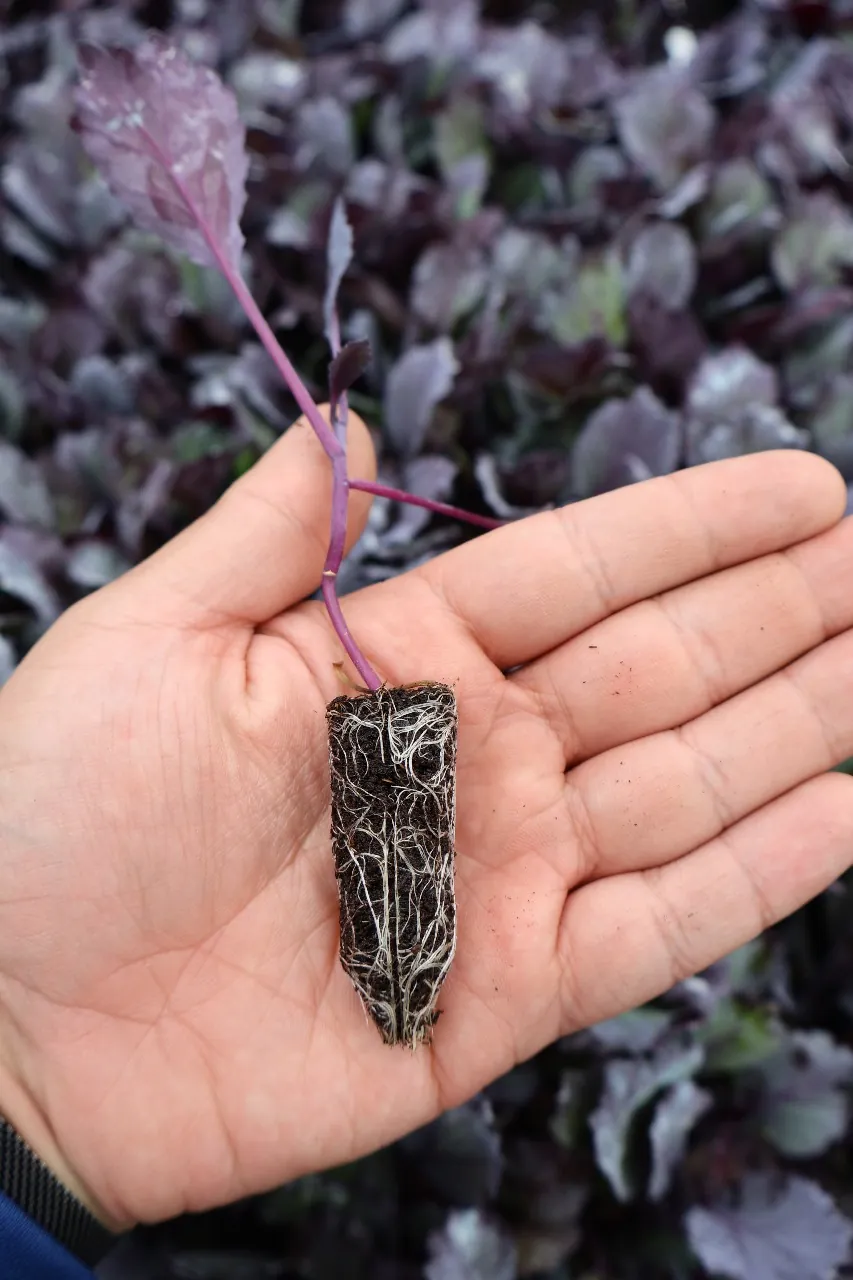
Look at the medium at three points: immediately after filling, after the first thorough wetting and after several irrigation cycles. Check whether plug cells fill evenly, whether the surface settles and whether roots can explore the full volume. A mix that looks open in a bag may behave differently after repeated watering.
For potting on, compare products with the same peat type and fraction as well. 422WF15 and 422WP10 are white-peat potting substrates with a 0-20 mm fraction. Keeping container size, filling method and crop constant makes differences in structure easier to interpret.
Watering should follow the mix, not the old timetable
Start a trial by thoroughly wetting each medium, then observe how quickly water enters, how much drains away and how long the root zone stays moist. Peat, wood fibre and perlite hold and release water differently. The result in a container depends on their proportions, the peat fraction and how firmly the medium is packed.
Do not treat a dry-looking surface as a complete picture of the root zone. Lift representative trays or pots, or use another moisture check that your team applies consistently. Compare containers at the same stage of crop growth, because a larger root system can change water use more than the substrate change itself.
If a trial mix dries sooner between irrigations, first check whether water reached the full container during each application. If it stays wet for longer, check drainage and the moisture lower in the pot before increasing the interval. Adjust application volume and frequency from observations rather than changing both at once.
Watch for uneven wetting across benches and within trays. Edge cells, shallow plugs and large pots can respond differently to the same irrigation event. Keeping a few labelled control trays of the current mix gives the irrigation team a practical reference during the changeover.
Keep the feeding comparison fair
The stated starter charge is a useful starting point, not a substitute for the crop's ongoing feeding programme. Where wood fibre is included, monitor crop colour and root-zone nutrition during a trial. As with other organic components, nitrogen availability may change as the material interacts with the growing system, but the size of any effect needs checking in the crop.
Record irrigation water quality, feed recipe and the method used to test pH and electrical conductivity. A change in feeding made at the same time as a substrate change makes the result harder to interpret. If an adjustment is needed, make it in response to measurements and plant growth rather than the ingredient name alone.
The distinction between seeding and potting recipes matters here. The listed seeding mixes have a 1.0 kg/m3 starter charge, while the listed potting mixes have 1.5 kg/m3. Selecting a finer seeding fraction for small cells or a suitable potting fraction for larger containers should come before deciding which peat-reducing addition to use.

Run a controlled trial before changing a full crop
Use one crop and one container format for the first comparison. Run the current medium beside a wood fibre or perlite version, using the same filling equipment, sowing or potting date and initial irrigation. If capacity allows, test both additions alongside the control rather than comparing results from different production weeks.
- At filling. Note how evenly cells or pots fill, whether the medium bridges in the equipment and how much it settles after the first watering.
- During irrigation. Record application frequency, container moisture before watering and whether water reaches the lower root zone. Keep the measurement method the same for every treatment.
- During growth. Compare emergence or establishment, root distribution, crop uniformity and measured root-zone pH and electrical conductivity. Include observations from both wet and dry positions on the bench.
- At dispatch. Check whether the root ball holds together and whether the container weight and moisture condition suit your handling routine.
Decide what success means before the trial begins. It might be equivalent crop uniformity with a lower peat share, or a root-zone moisture pattern that is easier to manage. Keep notes on any irrigation or feeding changes needed to achieve that result, since those changes are part of the practical cost of switching.
Frequently asked questions
Does a peat-reduced substrate need more frequent watering?
Not necessarily. Watering depends on the blend, container, crop and growing conditions. Compare moisture through the full root zone with your current mix before changing irrigation frequency.
Is wood fibre or perlite better for seed trays?
Neither is automatically better for every tray or irrigation system. SOLVIKA lists seeding recipes with 15% wood fibre and alternatives with 10% perlite. Trial comparable fractions in your own trays and assess wetting, drainage and crop uniformity.
Do the wood fibre and perlite versions contain starter fertiliser?
Yes. The listed seeding versions contain 1.0 kg/m3 NPK (14:16:18), and the listed potting versions contain 1.5 kg/m3 NPK (14:16:18). Monitor root-zone nutrition and follow the crop's ongoing feeding requirements.
Can I use my existing irrigation programme unchanged?
Use it as a starting reference, not an assumption. Run the new mix beside your current medium and check wetting, drainage and moisture between irrigations. Adjust the programme according to what you observe in the filled containers.
For a recommendation or a delivered quotation, send us your current substrate specification, crop, container size, required packaging, volume, destination and preferred delivery term.


