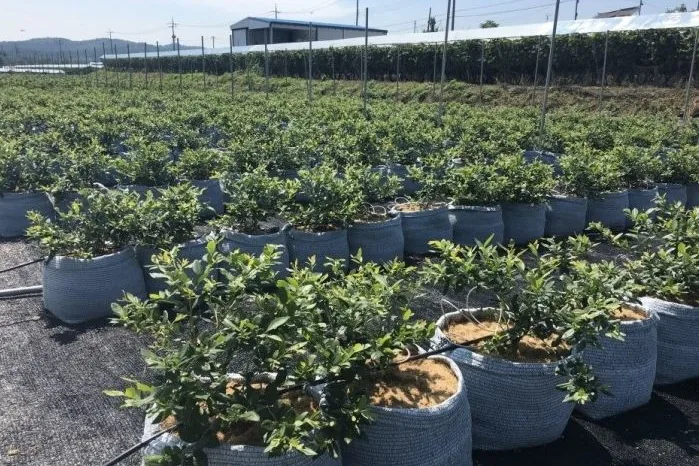
The best peat for blueberries: pH, fraction and planting

Ovaj članak je na engleskom jeziku.
When choosing peat for blueberries, start with the root zone rather than the bag size. Blueberries favour acidic growing conditions, so the useful starting point is unlimed white Sphagnum peat, not a general-purpose potting substrate that has been limed for other crops.
Fraction matters too. A finer grade and a coarser grade may have similar published pH values, yet behave differently when watered, blended with soil or used in a container. The choice should fit the planting method and the material already around the roots.
Choose unlimed white peat for an acidic starting point
SOLVIKA's unlimed white peat moss has a published pH of 3.5 to 4.5 when measured in water. That makes it the relevant peat range for blueberries and other acid-loving crops. It contains no lime or other additives, so you can plan any fertilisation separately.
White peat is slightly decomposed. Its fibrous structure helps provide air space while holding water and nutrients, which is useful around blueberry roots. The balance still depends on the fraction, how tightly the peat is placed and how the planting is irrigated.
An acidic bag of peat does not automatically make a whole field suitable for blueberries. Test the existing soil or growing medium before planting, particularly if it has previously been limed. The surrounding soil, irrigation water and later fertiliser choices all influence conditions in the root zone.
If the starting soil is unsuitable, work out the planting system before selecting a fraction. An amended bed, a raised bed and a container expose the peat to different amounts of surrounding soil and drain differently. The aim is a root zone that remains acidic but is also moist and well aerated.
Match the peat fraction to the planting method
For planting two-year-old blueberries, SOLVIKA identifies a 0-40 mm unlimed white peat grade as the usual base substrate. Other white peat products cover that same screened fraction, while a 20-40 mm option offers a coarser choice. These are peat moss grades, not pre-fertilised blueberry potting mixes.
- Usual base grade. Code 141 is unlimed white peat screened to 0-40 mm and listed as a base substrate for planting two-year-old blueberries.
- Same fraction, other products. Code 140LV and code 140W are also unlimed white peat at 0-40 mm. They give buyers products to consider when specifying that fraction.
- Coarser option. Code 124LV is unlimed white peat screened to 20-40 mm. Consider it when you want a coarser component in the planting mix.
A fraction describes the screening, not a promise that every particle is the same size. A 0-40 mm grade includes smaller material as well as larger pieces, while a 20-40 mm grade excludes more of the fines. In practice, more fines tend to increase water retention, while a coarser blend can help preserve larger air spaces.
That does not make the coarsest fraction the automatic choice. In a shallow bed or a container that dries quickly, water management may be easier with a broader particle range. Check how the proposed blend wets, drains and holds together under your own irrigation routine before committing to a planting specification.

Do not lime peat intended to keep blueberries acidic
Limestone is useful in many growing media because it raises peat pH. For a blueberry planting, that is usually the opposite of what you are trying to achieve. Starting with unlimed peat keeps the naturally acidic peat available to the crop without first neutralising it.
Do not treat every product labelled peat as interchangeable. SOLVIKA also makes pH-adjusted peat for growers who want a base for their own recipes. That material is limed to pH 5.5 to 6.5, so it serves a different purpose from the unlimed white peat selected for blueberries.
The same distinction applies to ready-to-use seeding and potting substrates. Their adjusted pH and starter fertiliser suit their stated uses, but those features are not a substitute for selecting the right acidity for an acid-loving crop. Check the actual product specification rather than assuming that a bag containing peat will meet a blueberry planting brief.
Peat acidity is a starting property, not a permanent reading for the planted root zone. If the surrounding soil is alkaline or the irrigation water changes media pH over time, monitor the planting after establishment. Base any correction on measurements and your crop adviser’s assessment, rather than adding lime or acidifying materials by habit.
Plant for contact with roots, drainage and even moisture
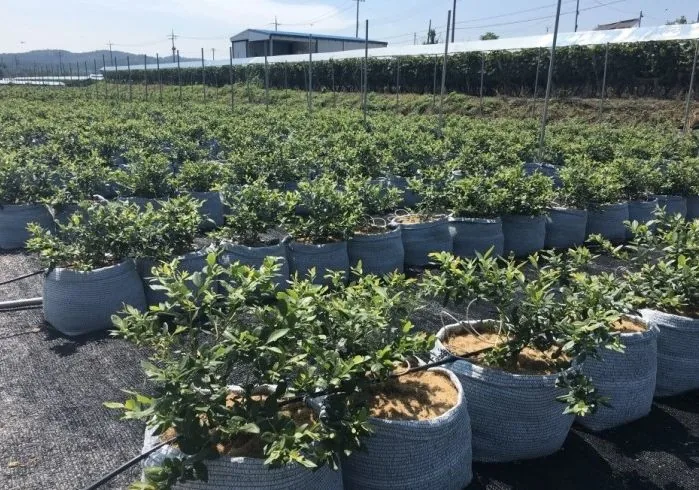
Before planting, look at the existing root ball and the soil it will meet. A pocket of peat inside a very different soil can behave differently from a prepared bed or a consistent container mix. Plan the planting area so new roots can grow into suitable material beyond the original root ball.
Pre-moisten peat and check that water has moved through it before placing plants. Position the root ball so it has good contact with the surrounding medium, but avoid packing the peat hard around it. Compressing a coarse material too firmly can reduce the air space you selected that fraction to provide.
Once planted, water thoroughly enough to wet the intended root zone, then check what happens below the surface. A dry-looking top does not always mean the root ball is dry, and a wet surface does not prove that water reached it. Inspect a few representative plants and adjust irrigation to the bed or container rather than watering solely by the clock.
Provide drainage as well as moisture. Blueberry roots need access to air, so persistent waterlogging can undo the benefit of choosing a structured peat grade. Where the native soil drains poorly, assess the wider bed design instead of expecting a coarse fraction alone to solve the problem.
Specify the peat alongside the rest of the growing plan
A useful purchase specification states more than the crop name. Tell the supplier whether the peat is for blending, an amended field bed, a raised bed or container planting, and whether you want the standard 0-40 mm base fraction or a coarser component. Include the age of the plants and the material already in their root balls.
Keep fertiliser planning separate from the peat selection. Unlimed white peat provides an acidic base, but it is not a feeding programme. Test the growing conditions, then choose nutrition appropriate to the crop, the irrigation water and any other components in your mix.
For a trial, compare candidate fractions under the same planting and irrigation conditions. Check how readily each mix wets, whether water drains away as expected and how the root zone behaves between irrigations. Small differences in handling may matter more in your system than a fraction name on its own.
Finally, keep records of root-zone pH, moisture observations and plant response after planting. Those notes make the next order more precise. They also help distinguish a peat selection issue from a problem caused by soil conditions, watering or nutrition.
Frequently asked questions
Which peat should I use for two-year-old blueberry plants?
Choose unlimed white peat at pH 3.5 to 4.5. SOLVIKA lists a 0-40 mm grade as the usual base substrate for planting two-year-old blueberries. Assess the bed or container design and irrigation before deciding whether a coarser fraction would suit your system better.
Why should blueberry peat be unlimed?
Lime raises peat pH, while blueberries need an acidic root zone. Unlimed white peat starts at a published pH of 3.5 to 4.5 in water. Test the planted root zone over time, since soil, water and fertiliser can affect its pH.
Is 20-40 mm peat better than 0-40 mm for blueberries?
Not in every planting. The 20-40 mm fraction is a coarser option, while 0-40 mm includes smaller particles as well as larger ones. Compare their wetting and drainage in your actual mix before choosing.
Does unlimed peat provide all the nutrition blueberries need?
No. It provides an acidic growing component, not a complete feeding programme. Plan nutrition around your crop, irrigation water and the other materials in the root zone.
For a recommendation or a delivered quotation, send us your planting method, plant age, preferred fraction, order volume, packaging, destination and delivery term through our contact form.