

Professional substrates
Every recipe we mix, with the figures that decide whether it suits your crop.
Base mixes carry no fertiliser so you dose your own. Seeding and potting mixes arrive ready to use. If nothing here matches, we mix to your specification.
Our range covers professional base substrates (pH-adjusted peat moss), ready-to-use seeding and potting mixes, special and retail products, mushroom casing soil, and individual substrates to a client's own recipe.
 Peat for blueberries and other acid-loving cropsUnlimed white Sphagnum peat at pH 3.5 to 4.5, screened coarse for pots, bags and long-term containers.Open the crop page →
Our picks
SOLVIKA MIX 141Medium-coarse Latvian lightweight white peat, 0-40 mmPeat mosspH 3.5-4.56000LSpecification →SOLVIKA MIX 140LVMedium-coarse Latvian white peat, 0-40 mmPeat mosspH 3.5-4.5250L, 5500LSpecification →SOLVIKA MIX 140WMedium-coarse Lithuanian white peat, 0-40 mmPeat mosspH 3.5-4.570L, 250LSpecification →SOLVIKA MIX 124LVExtra coarse Latvian white peat, 20-40 mmPeat mosspH 3.5-4.55500LSpecification → Seeding mixes for vegetable seedlings and plug traysFine peat substrates with a starter charge and a wetting agent, limed to pH 5.5 to 6.5 and ready to sow into.Open the crop page →
Our picks
SOLVIKA MIX 405LVSeeding mix, extra fine 0-5 mmLatvian white peatpH 5.5-6.5NPK 1.0 kg/m³250L, 5500LSpecification →SOLVIKA MIX 410LVSeeding mix, fine 0-10 mmLatvian white peatpH 5.5-6.5NPK 1.0 kg/m³250L, 5500LSpecification →SOLVIKA MIX 310Seeding mix, fine 0-10 mmLatvian lightweight white peatpH 5.5-6.5NPK 1.0 kg/m³6000LSpecification →SOLVIKA MIX 406WSeeding mix, extra fine 0-6 mmLithuanian white peatpH 5.5-6.5NPK 1.0 kg/m³50L, 70L, 250LSpecification →SOLVIKA MIX 406BSeeding mix, extra fine 0-6 mmLithuanian dark peatpH 5.5-6.5NPK 1.0 kg/m³50L, 70L, 250LSpecification →SOLVIKA MIX 40650Seeding mix, extra fine 0-6 mmLithuanian 50/50 white and dark peatpH 5.5-6.5NPK 1.0 kg/m³50L, 70L, 250LSpecification → Potting substrates for flowers and pot plantsPeat substrates with 1.5 kg/m3 NPK and a wetting agent for the pot stage, also with 10% perlite or 15% wood fibre.Open the crop page →
Our picks
SOLVIKA MIX 520LVPotting substrate, medium 0-20 mmLatvian white peatpH 5.5-6.5NPK 1.5 kg/m³250L, 5500LSpecification →SOLVIKA MIX 422WPotting substrate, medium 0-20 mmLithuanian white peatpH 5.5-6.5NPK 1.5 kg/m³50L, 70L, 250LSpecification →SOLVIKA MIX 422BPotting substrate, medium 0-20 mmLithuanian dark peatpH 5.5-6.5NPK 1.5 kg/m³50L, 70L, 250LSpecification →SOLVIKA MIX 42250Potting substrate, medium 0-20 mmLithuanian 50/50 white and dark peatpH 5.5-6.5NPK 1.5 kg/m³50L, 70L, 250LSpecification → Peat for nursery stock and container growingCoarse white and dark peat for container, perennial and mother plant substrates.Open the crop page →
Our picks
SOLVIKA MIX 113LVCoarse Latvian white peat, 10-30 mmPeat mosspH 3.5-4.5250L, 5500LSpecification →SOLVIKA MIX 140LVMedium-coarse Latvian white peat, 0-40 mmPeat mosspH 3.5-4.5250L, 5500LSpecification →SOLVIKA MIX 124LVExtra coarse Latvian white peat, 20-40 mmPeat mosspH 3.5-4.55500LSpecification →SOLVIKA MIX 140WMedium-coarse Lithuanian white peat, 0-40 mmPeat mosspH 3.5-4.570L, 250LSpecification →SOLVIKA MIX 162BMedium Lithuanian dark peat, 6-20 mmPeat mosspH 3.5-4.570L, 250LSpecification →SOLVIKA MIX 16250Coarse Lithuanian 50/50 white and dark peat, 10-30 mmPeat mosspH 3.5-4.570L, 250LSpecification → Casing peat for mushroom growingSelected Baltic dark peat, limed to pH 7.0 to 7.5 for the casing layer, made to order.Open the crop page →
Casing peat is mixed to order. Send us the specification you cased with last and we will match it.
Ask for a specificationNothing in the catalogue matches
We mix to your specification
Send a specification, or the datasheet of whatever you buy today, and we will match it.
Send a specificationMatch the substrate you use now →
Choose a range
Open a range to see its products. Open a product for its specification and photos.

Base substrates
Peat limed to pH 5.5 to 6.5 with a wetting agent and no fertiliser, so the grower keeps complete control of feeding. 18 products
Every product in this range
- pH (H₂O)
- 5.5-6.5
- Fertiliser
- None, you dose your own
- Wetting agent
- Yes
SOLVIKA MIX 205LV
pH 5.5-6.5 No fertiliser 250L, 5500L Extra fine, 0-5 mm Specification →SOLVIKA MIX 210LV
pH 5.5-6.5 No fertiliser 250L, 5500L Fine, 0-10 mm Specification →SOLVIKA MIX 220LV
pH 5.5-6.5 No fertiliser 250L, 5500L Medium, 0-20 mm Specification →SOLVIKA MIX 240LV
pH 5.5-6.5 No fertiliser 250L, 5500L Medium-coarse, 0-40 mm Specification →SOLVIKA MIX 213LV
pH 5.5-6.5 No fertiliser 250L, 5500L Coarse, 10-30 mm Specification →SOLVIKA MIX 224LV
pH 5.5-6.5 No fertiliser 5500L Extra coarse, 20-40 mm Specification →No product in this range has all of these. We mix to your specification.
Send a specification

Seeding and propagation mixes
Ready-to-use seeding media: pH 5.5 to 6.5, a starter charge of 1.0 kg/m³ NPK 14:16:18 and a wetting agent. 36 products
Additive None10% perlite15% wood fibre
Every product in this range
- pH (H₂O)
- 5.5-6.5
- Fertiliser
- NPK 14:16:18, 1.0 kg/m³
- Wetting agent
- Yes
SOLVIKA MIX 405LV
pH 5.5-6.5 NPK 1.0 kg/m³ 250L, 5500L Extra fine, 0-5 mm Specification →SOLVIKA MIX 410LV
pH 5.5-6.5 NPK 1.0 kg/m³ 250L, 5500L Fine, 0-10 mm Specification →SOLVIKA MIX 420LV
pH 5.5-6.5 NPK 1.0 kg/m³ 250L, 5500L Medium, 0-20 mm Specification →SOLVIKA MIX 440LV
pH 5.5-6.5 NPK 1.0 kg/m³ 250L, 5500L Medium-coarse, 0-40 mm Specification →SOLVIKA MIX 413LV
pH 5.5-6.5 NPK 1.0 kg/m³ 250L, 5500L Coarse, 10-30 mm Specification →SOLVIKA MIX 424LV
pH 5.5-6.5 NPK 1.0 kg/m³ 5500L Extra coarse, 20-40 mm Specification →SOLVIKA MIX 406W
pH 5.5-6.5 NPK 1.0 kg/m³ 50L, 70L, 250L Extra fine, 0-6 mm Specification →SOLVIKA MIX 406WP10
pH 5.5-6.5 NPK 1.0 kg/m³ 10% perlite 50L, 70L, 250L Extra fine, 0-6 mm Specification →SOLVIKA MIX 406WF15
pH 5.5-6.5 NPK 1.0 kg/m³ 15% wood fibre 50L, 70L, 250L Extra fine, 0-6 mm Specification →SOLVIKA MIX 420W
pH 5.5-6.5 NPK 1.0 kg/m³ 50L, 70L, 250L Medium, 0-20 mm Specification →SOLVIKA MIX 420WP10
pH 5.5-6.5 NPK 1.0 kg/m³ 10% perlite 50L, 70L, 250L Medium, 0-20 mm Specification →SOLVIKA MIX 420WF15
pH 5.5-6.5 NPK 1.0 kg/m³ 15% wood fibre 50L, 70L, 250L Medium, 0-20 mm Specification →SOLVIKA MIX 440W
pH 5.5-6.5 NPK 1.0 kg/m³ 50L, 70L, 250L Medium-coarse, 0-40 mm Specification →SOLVIKA MIX 440WP10
pH 5.5-6.5 NPK 1.0 kg/m³ 10% perlite 50L, 70L, 250L Medium-coarse, 0-40 mm Specification →SOLVIKA MIX 440WF15
pH 5.5-6.5 NPK 1.0 kg/m³ 15% wood fibre 50L, 70L, 250L Medium-coarse, 0-40 mm Specification →SOLVIKA MIX 406B
pH 5.5-6.5 NPK 1.0 kg/m³ 50L, 70L, 250L Extra fine, 0-6 mm Specification →SOLVIKA MIX 406BP10
pH 5.5-6.5 NPK 1.0 kg/m³ 10% perlite 50L, 70L, 250L Extra fine, 0-6 mm Specification →SOLVIKA MIX 406BF15
pH 5.5-6.5 NPK 1.0 kg/m³ 15% wood fibre 50L, 70L, 250L Extra fine, 0-6 mm Specification →SOLVIKA MIX 420B
pH 5.5-6.5 NPK 1.0 kg/m³ 50L, 70L, 250L Medium, 0-20 mm Specification →SOLVIKA MIX 420BP10
pH 5.5-6.5 NPK 1.0 kg/m³ 10% perlite 50L, 70L, 250L Medium, 0-20 mm Specification →SOLVIKA MIX 420BF15
pH 5.5-6.5 NPK 1.0 kg/m³ 15% wood fibre 50L, 70L, 250L Medium, 0-20 mm Specification →SOLVIKA MIX 462B
pH 5.5-6.5 NPK 1.0 kg/m³ 50L, 70L, 250L Medium, 6-20 mm Specification →SOLVIKA MIX 462BP10
pH 5.5-6.5 NPK 1.0 kg/m³ 10% perlite 50L, 70L, 250L Medium, 6-20 mm Specification →SOLVIKA MIX 462BF15
pH 5.5-6.5 NPK 1.0 kg/m³ 15% wood fibre 50L, 70L, 250L Medium, 6-20 mm Specification →SOLVIKA MIX 40650
pH 5.5-6.5 NPK 1.0 kg/m³ 50L, 70L, 250L Extra fine, 0-6 mm Specification →SOLVIKA MIX 40650P10
pH 5.5-6.5 NPK 1.0 kg/m³ 10% perlite 50L, 70L, 250L Extra fine, 0-6 mm Specification →SOLVIKA MIX 40650F15
pH 5.5-6.5 NPK 1.0 kg/m³ 15% wood fibre 50L, 70L, 250L Extra fine, 0-6 mm Specification →SOLVIKA MIX 42050
pH 5.5-6.5 NPK 1.0 kg/m³ 50L, 70L, 250L Medium, 0-20 mm Specification →SOLVIKA MIX 42050P10
pH 5.5-6.5 NPK 1.0 kg/m³ 10% perlite 50L, 70L, 250L Medium, 0-20 mm Specification →SOLVIKA MIX 42050F15
pH 5.5-6.5 NPK 1.0 kg/m³ 15% wood fibre 50L, 70L, 250L Medium, 0-20 mm Specification →SOLVIKA MIX 46250
pH 5.5-6.5 NPK 1.0 kg/m³ 50L, 70L, 250L Coarse, 10-30 mm Specification →SOLVIKA MIX 46250P10
pH 5.5-6.5 NPK 1.0 kg/m³ 10% perlite 50L, 70L, 250L Coarse, 10-30 mm Specification →SOLVIKA MIX 46250F15
pH 5.5-6.5 NPK 1.0 kg/m³ 15% wood fibre 50L, 70L, 250L Coarse, 10-30 mm Specification →No product in this range has all of these. We mix to your specification.
Send a specification

Professional potting substrates
Ready-to-use potting media: pH 5.5 to 6.5, 1.5 kg/m³ NPK 14:16:18 and a wetting agent, for the pot stage. 33 products
Additive None10% perlite15% wood fibre
Every product in this range
- pH (H₂O)
- 5.5-6.5
- Fertiliser
- NPK 14:16:18, 1.5 kg/m³
- Wetting agent
- Yes
SOLVIKA MIX 505LV
pH 5.5-6.5 NPK 1.5 kg/m³ 250L, 5500L Extra fine, 0-5 mm Specification →SOLVIKA MIX 510LV
pH 5.5-6.5 NPK 1.5 kg/m³ 250L, 5500L Fine, 0-10 mm Specification →SOLVIKA MIX 520LV
pH 5.5-6.5 NPK 1.5 kg/m³ 250L, 5500L Medium, 0-20 mm Specification →SOLVIKA MIX 540LV
pH 5.5-6.5 NPK 1.5 kg/m³ 250L, 5500L Medium-coarse, 0-40 mm Specification →SOLVIKA MIX 513LV
pH 5.5-6.5 NPK 1.5 kg/m³ 250L, 5500L Coarse, 10-30 mm Specification →SOLVIKA MIX 524LV
pH 5.5-6.5 NPK 1.5 kg/m³ 5500L Extra coarse, 20-40 mm Specification →SOLVIKA MIX 407W
pH 5.5-6.5 NPK 1.5 kg/m³ 50L, 70L, 250L Extra fine, 0-6 mm Specification →SOLVIKA MIX 407WP10
pH 5.5-6.5 NPK 1.5 kg/m³ 10% perlite 50L, 70L, 250L Extra fine, 0-6 mm Specification →SOLVIKA MIX 407WF15
pH 5.5-6.5 NPK 1.5 kg/m³ 15% wood fibre 50L, 70L, 250L Extra fine, 0-6 mm Specification →SOLVIKA MIX 422W
pH 5.5-6.5 NPK 1.5 kg/m³ 50L, 70L, 250L Medium, 0-20 mm Specification →SOLVIKA MIX 422WP10
pH 5.5-6.5 NPK 1.5 kg/m³ 10% perlite 50L, 70L, 250L Medium, 0-20 mm Specification →SOLVIKA MIX 422WF15
pH 5.5-6.5 NPK 1.5 kg/m³ 15% wood fibre 50L, 70L, 250L Medium, 0-20 mm Specification →SOLVIKA MIX 442W
pH 5.5-6.5 NPK 1.5 kg/m³ 50L, 70L, 250L Medium-coarse, 0-40 mm Specification →SOLVIKA MIX 442WP10
pH 5.5-6.5 NPK 1.5 kg/m³ 10% perlite 50L, 70L, 250L Medium-coarse, 0-40 mm Specification →SOLVIKA MIX 442WF15
pH 5.5-6.5 NPK 1.5 kg/m³ 15% wood fibre 50L, 70L, 250L Medium-coarse, 0-40 mm Specification →SOLVIKA MIX 407B
pH 5.5-6.5 NPK 1.5 kg/m³ 50L, 70L, 250L Extra fine, 0-6 mm Specification →SOLVIKA MIX 407BP10
pH 5.5-6.5 NPK 1.5 kg/m³ 10% perlite 50L, 70L, 250L Extra fine, 0-6 mm Specification →SOLVIKA MIX 407BF15
pH 5.5-6.5 NPK 1.5 kg/m³ 15% wood fibre 50L, 70L, 250L Extra fine, 0-6 mm Specification →SOLVIKA MIX 422B
pH 5.5-6.5 NPK 1.5 kg/m³ 50L, 70L, 250L Medium, 0-20 mm Specification →SOLVIKA MIX 422BP10
pH 5.5-6.5 NPK 1.5 kg/m³ 10% perlite 50L, 70L, 250L Medium, 0-20 mm Specification →SOLVIKA MIX 422BF15
pH 5.5-6.5 NPK 1.5 kg/m³ 15% wood fibre 50L, 70L, 250L Medium, 0-20 mm Specification →SOLVIKA MIX 463B
pH 5.5-6.5 NPK 1.5 kg/m³ 50L, 70L, 250L Medium, 6-20 mm Specification →SOLVIKA MIX 463BP10
pH 5.5-6.5 NPK 1.5 kg/m³ 10% perlite 50L, 70L, 250L Medium, 6-20 mm Specification →SOLVIKA MIX 463BF15
pH 5.5-6.5 NPK 1.5 kg/m³ 15% wood fibre 50L, 70L, 250L Medium, 6-20 mm Specification →SOLVIKA MIX 40750
pH 5.5-6.5 NPK 1.5 kg/m³ 50L, 70L, 250L Extra fine, 0-6 mm Specification →SOLVIKA MIX 40750P10
pH 5.5-6.5 NPK 1.5 kg/m³ 10% perlite 50L, 70L, 250L Extra fine, 0-6 mm Specification →SOLVIKA MIX 40750F15
pH 5.5-6.5 NPK 1.5 kg/m³ 15% wood fibre 50L, 70L, 250L Extra fine, 0-6 mm Specification →SOLVIKA MIX 42250
pH 5.5-6.5 NPK 1.5 kg/m³ 50L, 70L, 250L Medium, 0-20 mm Specification →SOLVIKA MIX 42250P10
pH 5.5-6.5 NPK 1.5 kg/m³ 10% perlite 50L, 70L, 250L Medium, 0-20 mm Specification →SOLVIKA MIX 42250F15
pH 5.5-6.5 NPK 1.5 kg/m³ 15% wood fibre 50L, 70L, 250L Medium, 0-20 mm Specification →SOLVIKA MIX 46350
pH 5.5-6.5 NPK 1.5 kg/m³ 50L, 70L, 250L Coarse, 10-30 mm Specification →SOLVIKA MIX 46350P10
pH 5.5-6.5 NPK 1.5 kg/m³ 10% perlite 50L, 70L, 250L Coarse, 10-30 mm Specification →SOLVIKA MIX 46350F15
pH 5.5-6.5 NPK 1.5 kg/m³ 15% wood fibre 50L, 70L, 250L Coarse, 10-30 mm Specification →No product in this range has all of these. We mix to your specification.
Send a specification Acid peat moss, pH 3.5 to 4.5
Unlimed Sphagnum peat moss, pH 3.5 to 4.5, screened to the fraction you order. Open any grade for its full quality declaration.
18 products
Which of these suits your crop
A peat-based substrate is a growing medium made mostly from Sphagnum peat moss. It provides physical structure, water-holding capacity and some nutrient content, and it helps regulate the pH of the root zone, which is what makes it suitable for such a wide range of crops. Peat is commonly blended with perlite, vermiculite, limestone or fertilisers to adjust aeration, drainage and nutrient content, so a mix can be tuned to one crop.
The ranges above are organised by recipe. Most people arrive knowing the crop instead, so this is the same catalogue read the other way round. Each link searches the ranges for you.
Blueberries and other acid-loving crops
Natural peat moss carries no lime, so it stays at pH 3.5 to 4.5, which is the range blueberries, cranberries, rhododendrons and azaleas need. The coarse white grades keep more air in a container than the fine ones.

Retail packing and own label
Fine and medium white peat, packed for a retailer's brand in 50, 70 or 250 L bags. The substrate is the same product the professional lines run.

Animal bedding
Peat bedding for poultry and livestock uses the same fine and medium white grades. It absorbs several times its own weight and binds ammonia, which is what separates it from straw or shavings.
Vegetable and ornamental propagation
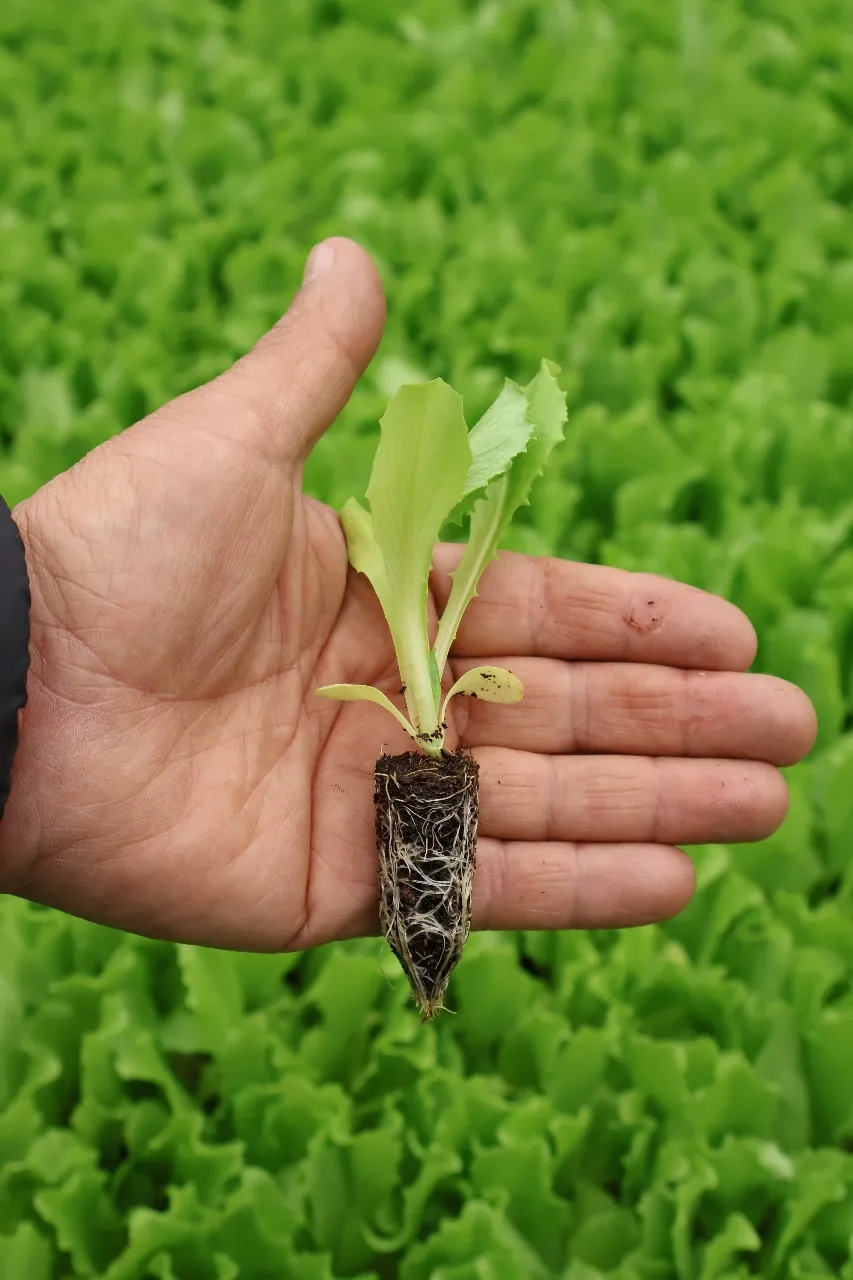
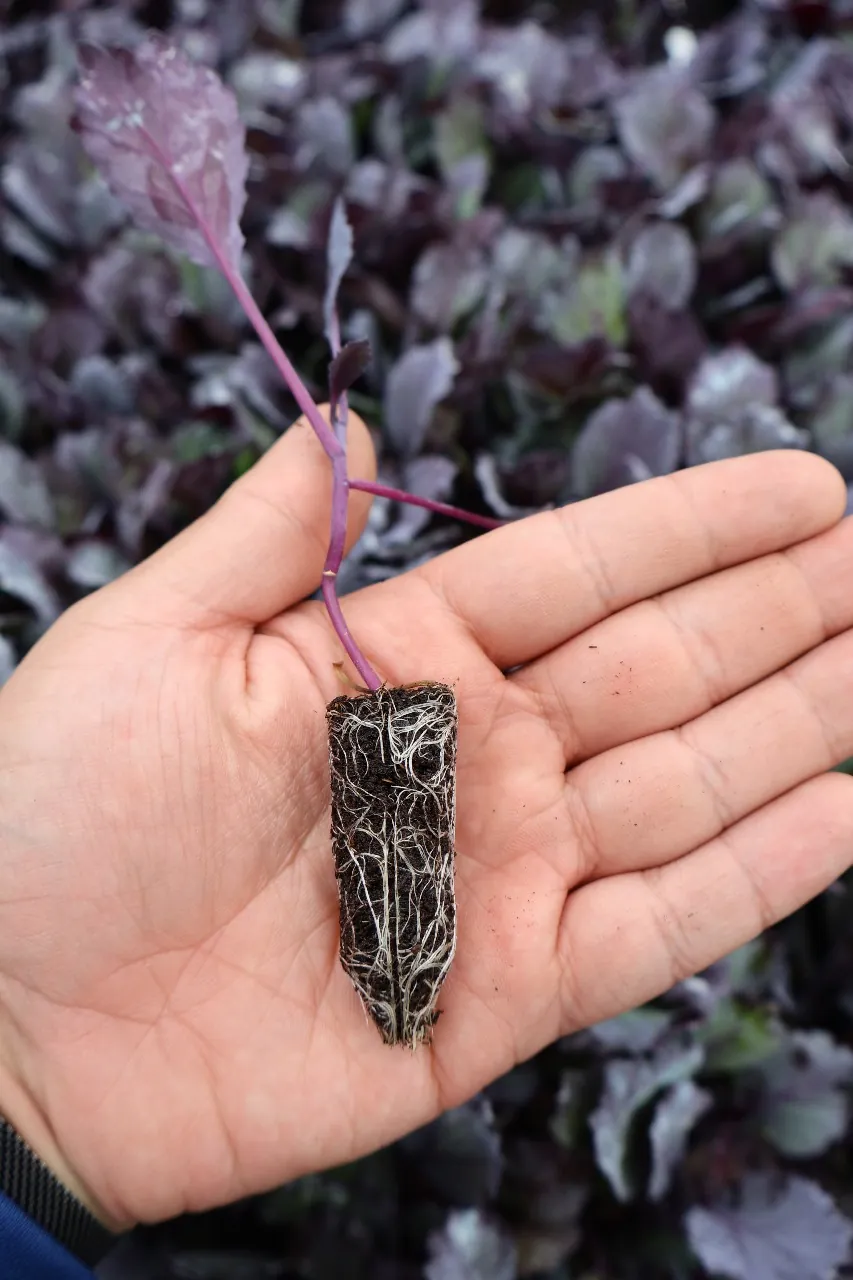
Seeding mixes carry 1.0 kg/m3 of starter fertiliser and a wetting agent, in fine fractions that fill a plug tray evenly. Potting mixes step up to 1.5 kg/m3 for the pot stage.

Growers reducing their peat content
The same seeding and potting recipes are run with 15% wood fibre or 10% perlite replacing part of the peat. Both open the mix and lower the peat share, so test it in your own trays before changing a recipe.

Strawberries, mushroom casing and organic growing
These are mixed to order rather than stocked: strawberry substrates with starter and long-term fertiliser, casing peat limed to pH 7.0 to 7.5, growing media for medical cannabis, and seeding and potting mixes built on 100% organic slow-release fertiliser.
The three numbers people ask for first
- Minimum order
- 1full truck or 40HC container per order
- Per product
- 6–10pallets, depending on the pack size
- Lead time
- 2–4weeks, 4–5 in spring and autumn
One truck or container can carry up to 3 different products. Each product starts at 10 pallets of 50 L or 70 L bags, 8 pallets of 250 L bags or 6 pallets of 5500 L or 6000 L big bales. Packaging runs from 5 L bags to 6000 L big bales, your own printed bag is possible for large, repeat volumes, and anything here can be mixed to your own recipe.
Mixed to your recipe
Most of what we ship is one of the recipes above. A good share of it is not. Send a specification, or the datasheet of whatever you buy today, and we will match it.
The lines blend white, dark and 50/50 peat with perlite, clay, wood fibre, limestone and wetting agent, and dose NPK 14:16:18 starter fertiliser, with Radigen micronutrients where a recipe asks for them. Both milled and block-cut raw materials are used, depending on the structure a recipe needs.

Growers using our substrates
Plugs, pots and propagation trays at the growers we supply, and the checks our mixes go through. Click any photo to see it large.



Tell us what you grow
Send these three things and you get a price for your delivery term and a lead time back.
- 1What you grow, or the recipe you want matched.
- 2The volume, in cubic metres or truckloads.
- 3The delivery country and town.